


Food Inflammation Testing
Food Inflammation Testing
Identify hidden inflammation. Understand what’s blocking your results.
Food sensitivities affect more than 100 million people worldwide and are associated with a range of symptoms, including skin rashes and digestive issues.
Many chronic symptoms are not caused by what you’re eating — but by how your body is reacting to certain foods.
Food sensitivities can create hidden inflammation that contributes to bloating, fatigue, brain fog, skin issues, joint discomfort, headaches, and digestive problems. Unlike food allergies, sensitivities are often delayed, making them difficult to identify on your own.
FIT
- Foods triggering inflammation
- Hidden sensitivities
- Patterns linked to digestive distress
- Indicators associated with increased intestinal permeability (“leaky gut”)
Why It Matters
When inflammatory foods are removed based on your personalized results, many clients experience improved digestion, increased energy, clearer skin, reduced discomfort, and overall better health.
Rather than guessing which foods to eliminate, this test provides clarity — allowing us to create a targeted plan to reduce inflammation and support gut healing.
This can be a game changer in attaining your weight loss goals and achieving an optimal system reset. When inflammatory foods are identified and removed strategically:
- Bloating decreases
- Cravings stabilize
- Blood sugar regulation improves
- Cortisol and stress responses calm
- Metabolic function becomes more efficient
Rather than fighting your body, we help remove internal obstacles so your metabolism can function the way it was designed to.
Tests Offered
|
Feature
|
FIT 22
|
FIT 132
|
FIT 176
|
|---|---|---|---|
|
Foods Tested
|
22 common reactive foods
|
132 foods, colorings & additives
|
176 foods, colorings & additives
|
|
Inflammation Detection
|
✔
|
✔
|
✔
|
|
Gut Barrier Panel Included
|
✔
|
✔
|
✔
|
|
Post-Test Review
|
45 minutes
|
45 minutes
|
60 minutes
|
|
Personalized Meal Plan
|
-
|
7-Day Plan
|
7-Day Plan
|
|
Mobile App Access
|
-
|
✔
|
✔
|
|
Best For
|
Focused, entry-level testing
|
Broader evaluation
|
Most comprehensive analysis
|
Which Test Is Right for You?
Choose FIT 22 if you:
- Suspect common triggers like gluten, dairy, or eggs
- Want a focused starting point
- Are experiencing mild to moderate symptoms
- Want to address potential inflammatory triggers impacting digestion or weight
Choose FIT 132 if you:
- Have ongoing digestive symptoms or fatigue
- Experience bloating or unexplained inflammation
- Struggle with weight loss resistance
- Want a structured meal plan to support metabolic reset
Choose FIT 176 if you:
- Have complex or long-standing symptoms
- Have tried elimination diets without success
- Experience stubborn weight loss resistance
- Want the most comprehensive evaluation possible
Not Sure Where to Start?
Start Your Personalized Reset
Schedule your consultation to begin a targeted approach to inflammation, metabolism, and sustainable weight loss.
Frequently Asked Questions
What is food sensitivity testing (FIT) and how does it work?
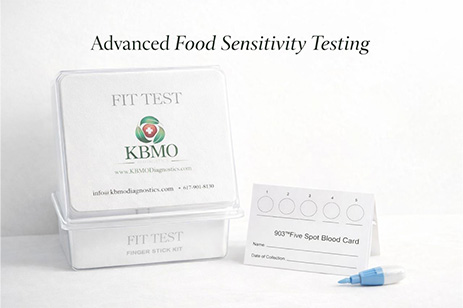
Food inflammation testing (FIT) measures how your immune system responds to specific foods. Unlike traditional allergy tests, which detect IgE-mediated reactions (the kind that cause immediate symptoms like hives or swelling), FIT panels measure delayed inflammatory responses — reactions that can occur hours or even days after eating a food. These delayed responses are often the hidden driver behind symptoms like chronic fatigue, joint pain, brain fog, skin issues, bloating, and stubborn weight gain. The test is done through a simple finger-prick performed in the office, and results identify which foods are triggering an inflammatory response in your body.
What's the difference between the FIT 176, FIT 132, and FIT 22?
The difference is primarily in the breadth of foods tested. The FIT 176 is our most comprehensive panel, testing your immune response to 176 different foods and food additives — ideal for clients with complex or unexplained symptoms, or those who want the most complete picture. The FIT 132 covers 132 foods and is a strong middle-ground option for most clients. The FIT 22 is a targeted panel focused on the most commonly inflammatory foods and is a good starting point for clients who want to identify the most likely culprits quickly. Irina will recommend the panel that makes the most sense for your situation during your consultation.
How is food inflammation testing different from a standard allergy test?
Standard allergy tests (like a skin prick test or RAST test) detect IgE antibodies, which are associated with immediate, often severe allergic reactions — think peanut allergies or anaphylaxis. Food inflammation testing measures IgG and IgA antibody responses, which are associated with slower, subtler inflammatory reactions. These reactions don’t cause obvious acute symptoms, which is why many people are completely unaware their diet is driving chronic inflammation, fatigue, or metabolic resistance. The two tests serve very different purposes and are complementary, not interchangeable.
How long does it take to get results?
Results from FIT panels are typically returned within 7–10 business days. The test itself is a simple finger-prick performed in the office — Irina administers it during your appointment and sends the sample directly to the lab. Once your results are ready, Irina will review them with you in detail, explaining which foods showed elevated responses, what that means for your health, and how to adjust your nutrition plan accordingly. The results become a practical roadmap, not just a report.
What do I do with the results once I have them?
Irina walks you through your results personally and translates them into an actionable nutrition plan. This typically involves temporarily removing or rotating high-response foods to reduce inflammation, introducing anti-inflammatory alternatives, and monitoring how your body responds. Many clients notice improvements in energy, digestion, skin clarity, joint comfort, and weight loss momentum within weeks of adjusting their diet based on their results. The goal is not permanent restriction — it’s identifying what’s working against your body so you can make smarter, more personalized food choices.